


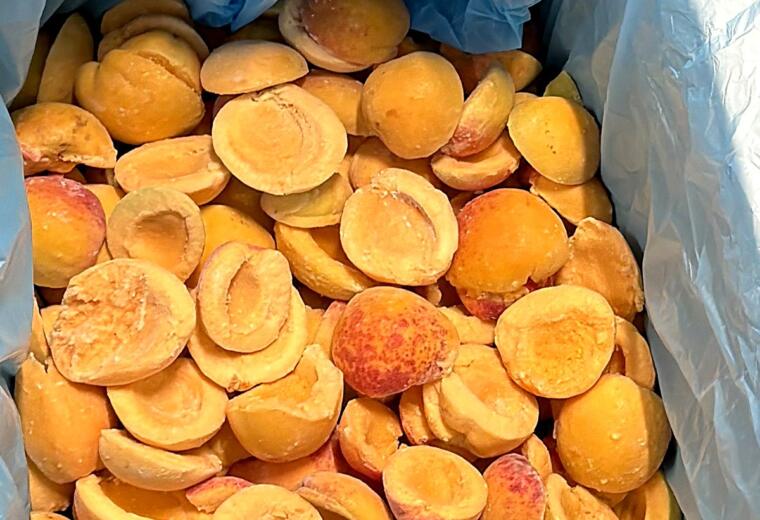
IQF Apricot Halves
Danube varieties, stone removed. High dry matter and deep colour.
10 kg carton / 25 kg bag
 Yankov Brothers
The range
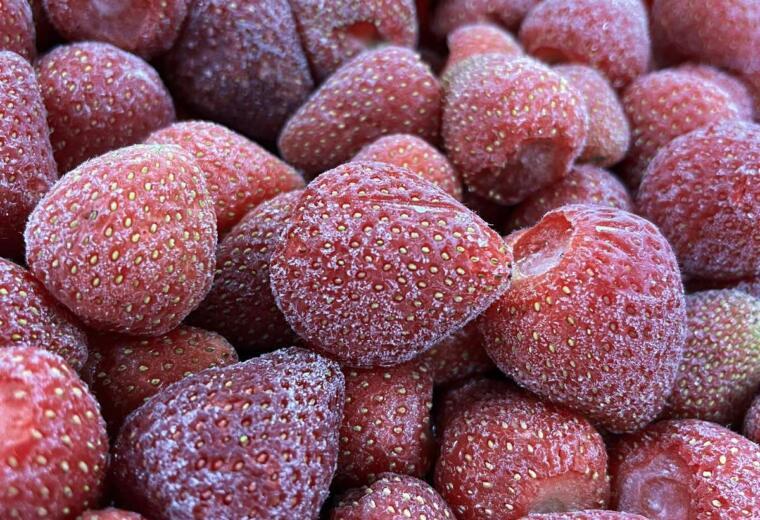
Apricot and peach are the core of what we do. The rest we run in season, in the volumes our own orchards and our neighbours can supply.
Danube varieties, stone removed. High dry matter and deep colour.

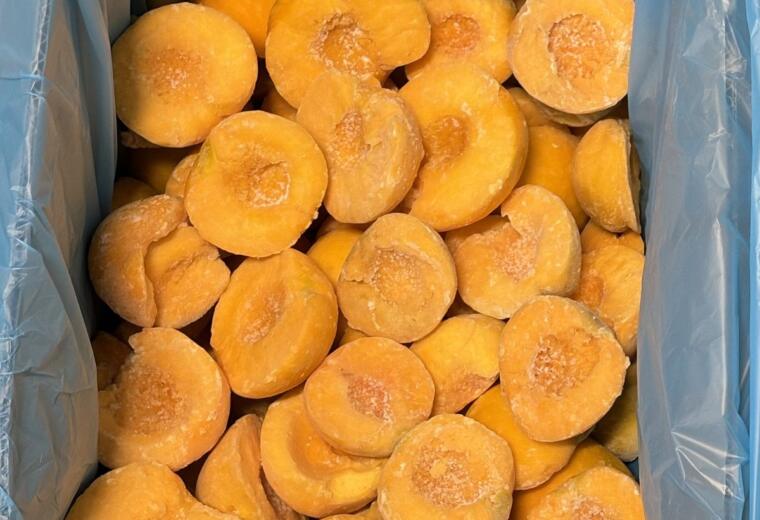
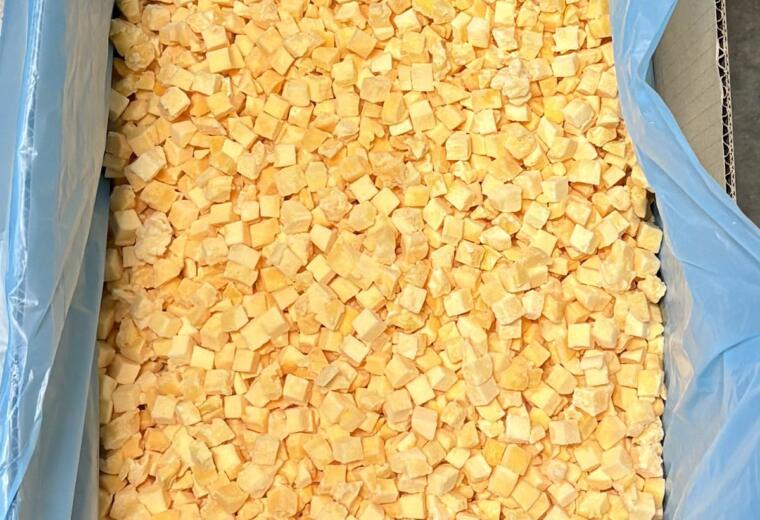
Cut from the same Danube fruit. Even calibre, free-flowing.
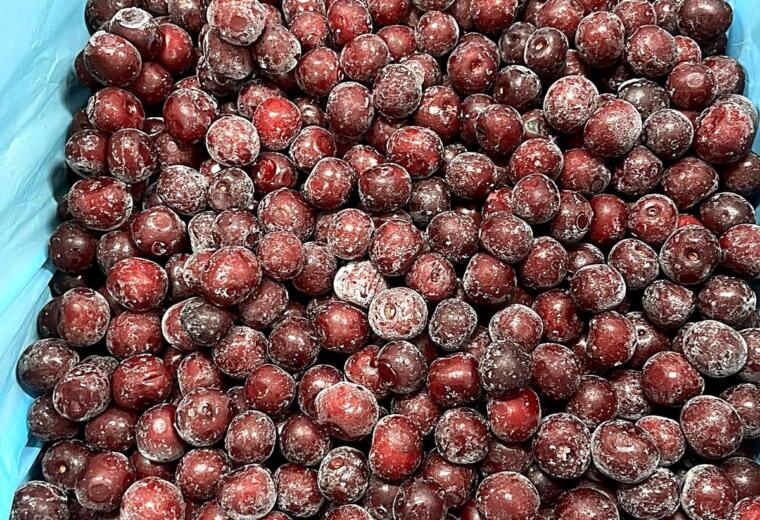

Field to carton
Picked at eating ripeness in our own orchards and by a fixed group of partner farms nearby.
Moved from the orchard in a specialised refrigerated truck, so the fruit reaches the plant in the condition it left the tree.
Weighed and lot-numbered on arrival, then washed, graded by size, destoned and cut to the calibre the order specifies.
Each piece frozen individually so it stays separate, keeps its shape and pours freely.
Metal detection and continuous quality control through the run, then packed, palletised and moved into cold store.
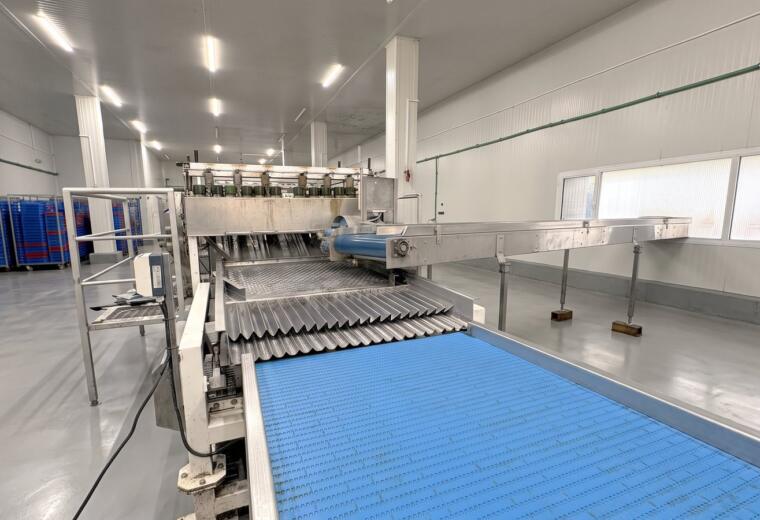
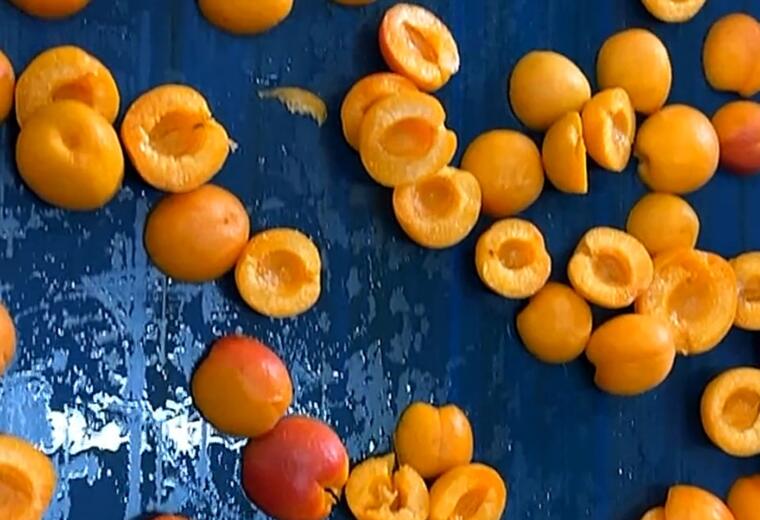
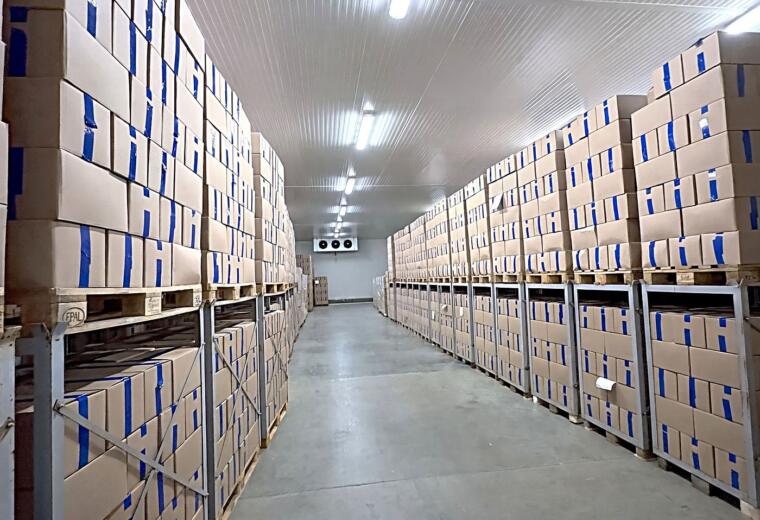
Sorting line · cold store · the line running during campaign
On television
AGRO TV Bulgaria asked Daniel Yankov what the hardest part of the job is — for the fruit from our own orchards and for what we buy from growers around us.
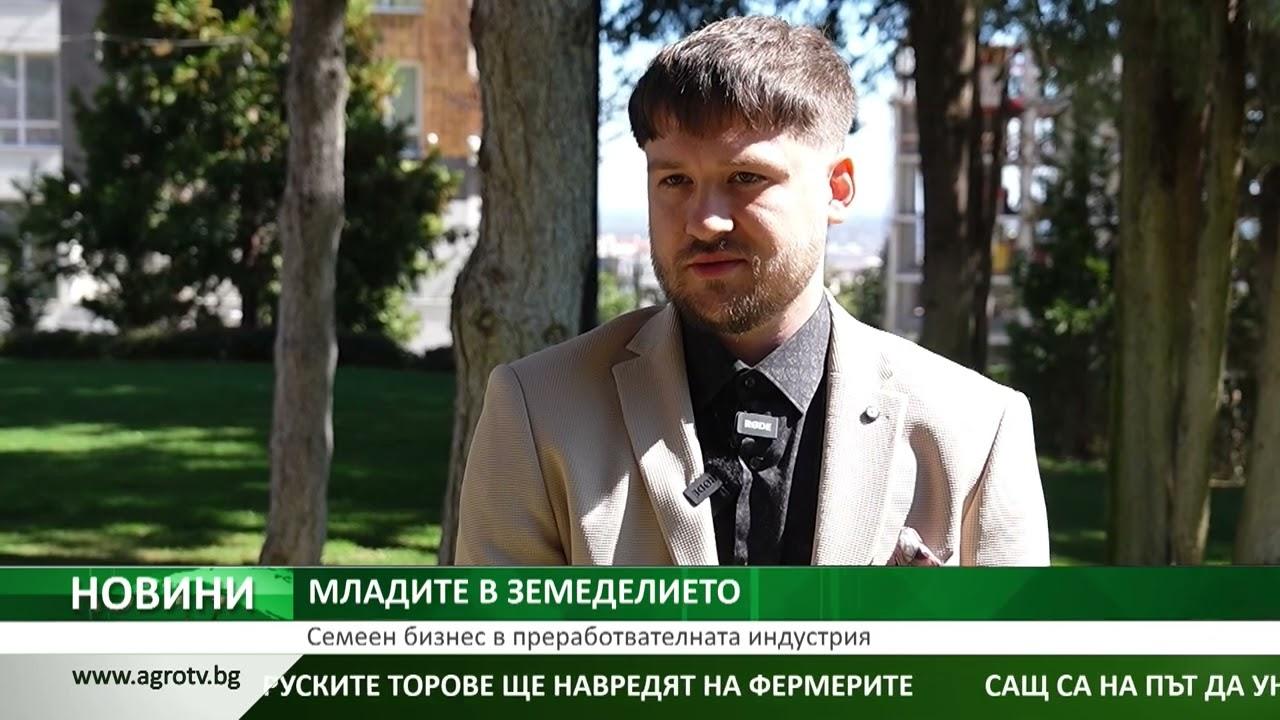 Play the video
Audited and certified
Current documents with numbers and validity dates — not a row of logos.
Food safety management for processing and freezing of fruits and vegetables.
Download PDFQuality management across the same processing and freezing operations.
Download PDFIntegrated farm assurance at orchard level — apricot and peach.
Download PDFWhy buyers stay
Each one has a document, a certificate or a number behind it, and you are welcome to check any of them before you order.
The fruit's history is ours, not a broker's. What we do not grow comes from 5 neighbouring farms we have worked with for years.
GLOBALG.A.P. in the orchard, ISO 22000 and ISO 9001 in the plant. Current certificates, downloadable on this site.
A national award for the orchard operation behind the fruit we freeze.
Started in 1996 with five hectares on the Danube. Today 100 ha, our own plant and our own cold store.
No sales department in between. The same person handles your enquiry from first email through to loading.
Where the fruit goes
Reefer transport from our own cold store, documentation prepared in-house, and a delivery window agreed before the order is confirmed.
Planning
Buyers plan against this. Publishing it saves a round of emails every spring.
Before you write
Anything not answered here, ask — we reply within one working day.
20 tonnes.
We are flexible and can work to the packaging a customer needs. As standard we run a 10 kg carton and a 25 kg bag, both with a food-grade polyethylene liner.
All of them. We agree the Incoterms with each customer depending on their needs and the destination, and we arrange refrigerated transport where it is wanted.
Yes. The orchards are GLOBALG.A.P. certified for apricot and peach under GGN 4063061034885, and the plant holds ISO 22000 and ISO 9001. All three certificates are on this site to download.
Between 80 and 100 per cent, depending on the season. The rest comes from five neighbouring farms we have worked with for years — never from the open market.
Eighteen hours from picking to the freezer. The fruit is moved from the orchard in a refrigerated truck and goes through intake, washing, calibration and the tunnel on the same day it is picked.
We ship across Europe: Germany, Austria, France, Poland, Italy, Romania, Hungary and the United Kingdom. Delivery terms are agreed with each customer, and we arrange refrigerated road transport from our plant near Veliko Tarnovo where it is wanted.
Our fruit is grown and frozen inside the European Union, on 100 ha of our own GLOBALG.A.P. orchards, and reaches the freezer within eighteen hours of picking. Between 80 and 100 per cent of it comes from our own trees, so we know where it was grown, and it travels to you by road across Europe rather than in a sea container. The Danube apricot varieties we grow carry more dry matter than dessert types, so the halves keep their shape in baking and in fillings.
Yes. Tell us which product you need and what you will use it for, and we will arrange a sample together with a price.
Each line is frozen in its own harvest window: strawberries in May and June, sour cherries in June, apricots in June and July, peaches from July to September and wild sloe in September and October. Volumes are best agreed before the campaign; for the current season, ask us what is still available in the cold store.
The freezing line runs at 2,000 kg per hour, with a capacity of about 1,000 tonnes per season and a 1,000-tonne cold store. Last season we shipped 500 tonnes. The minimum order is 20 tonnes.
Food manufacturers and traders across Europe: fruit processors, ice-cream and dairy producers, bakeries, and the importers who supply them.
A price and a written answer within two working days.